Border Image

Cardisiography (CSG)

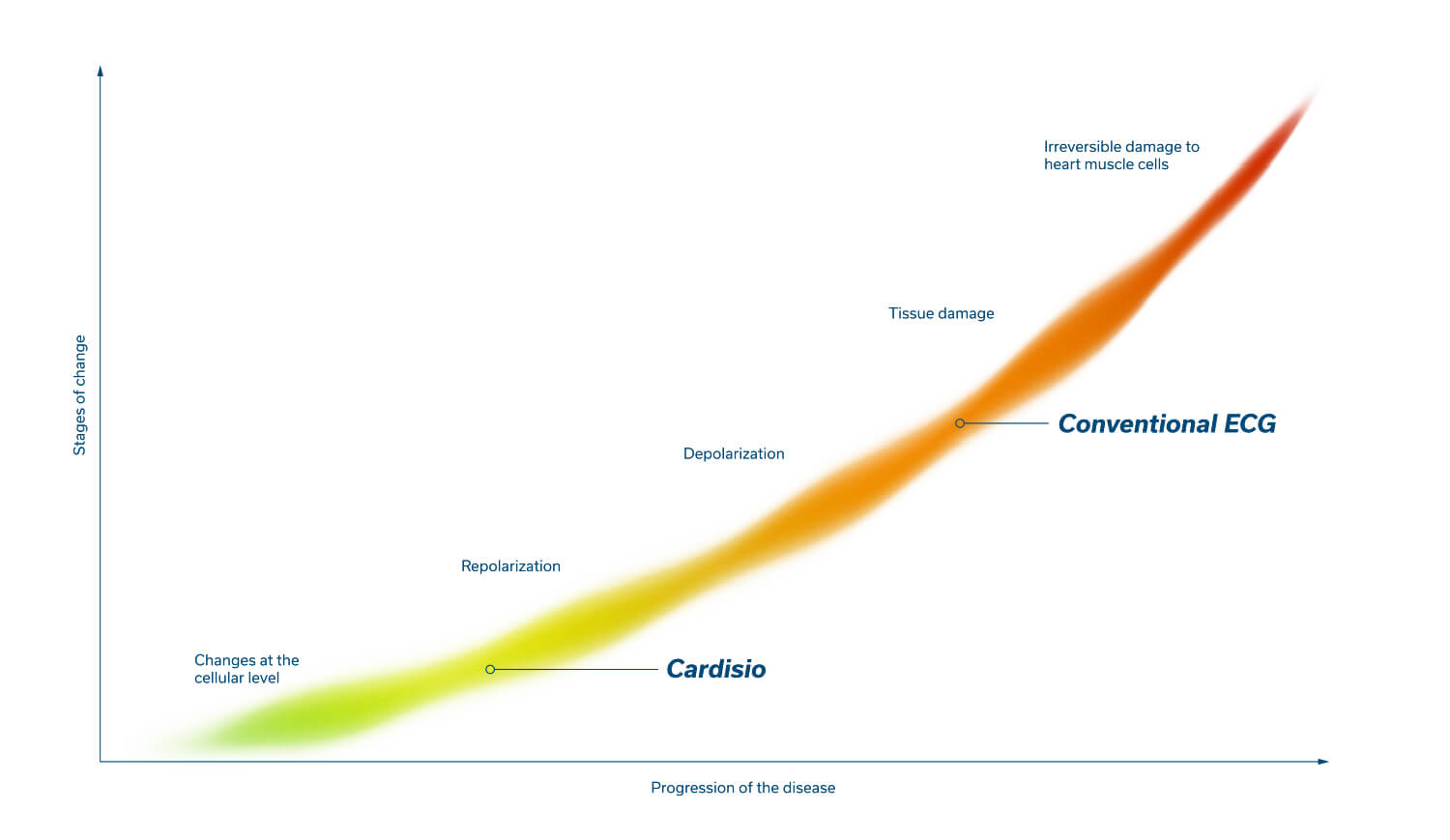
Cardisiography was specifically developed for use by internists and cardiologists to quickly, precisely, and non-invasively detect or rule out heart conditions. Its significantly higher sensitivity (>90%) compared to exercise EKGs, without the associated disadvantages, allows for an earlier selection of the correct treatment path. This can help prevent severe consequences such as heart attacks, sudden cardiac death, and/or ventricular fibrillation

Cardisiography can:

Clarify

A CSG report will provide clarification of a patient’s cardiac health in the case of undefined symptoms, such as shortness of breath, fatigue or back pain, as well as before anesthesia.

Help Prevent

CSG helps doctors and patients take preventative measures when used in regular medical checkups, e.g. annual visits, before sporting events or long trips, or even after infection with COVID-19.

Confirm

In cases of suspected structural heart disease, arrhythmia, or CHD/ischemia, CSG helps confirm or rule out heart disease.

Combining 12 (19)-Lead ECG and Vectorcardiogram (VCG)

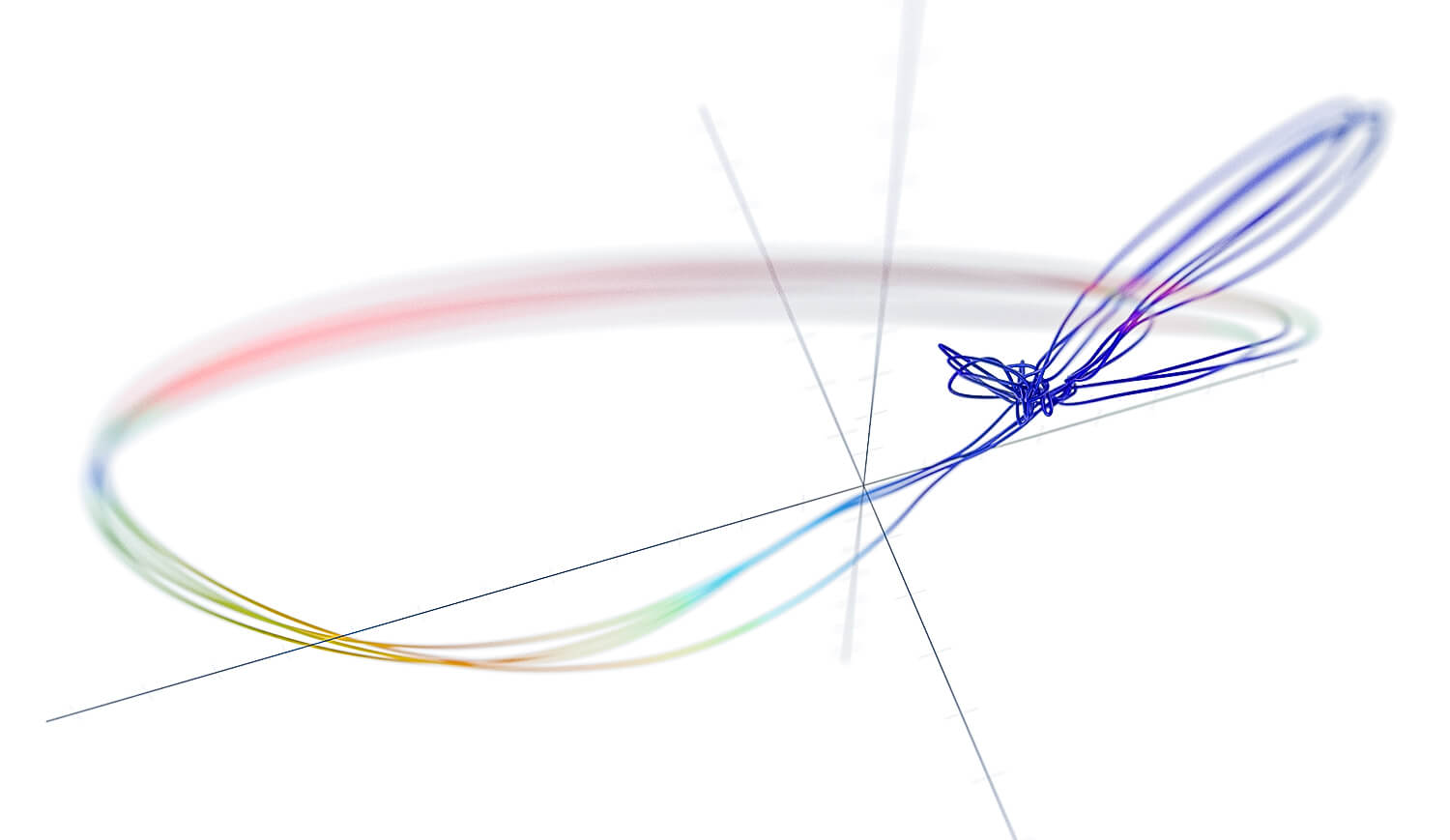
Why Combining 12 (19)-Lead ECG and Vectorcardiogram (VCG) Improves Diagnosis? The classic 12-lead ECG has been standard equipment for cardiac diagnostics for decades. It’s fast, cost-effective, and provides important information about heart rhythm disorders or heart attacks. Unlike the ECG, which records electrical signals linearly, the VCG displays the directional course of electrical excitation in 3D space. This makes complex changes visible. The VCG can also precisely localize delayed or blocked electrical impulse propagation in specific heart regions.

What the Vectorcardiogram Can Offer Additionally

Unlike the ECG, which records electrical signals linearly, the VCG shows the directional course of electrical excitation in 3D space. This reveals complex changes, such as a heart attack masked by a bundle branch block. It can also precisely localize delayed or blocked electrical impulse propagation in specific heart regions. The simultaneous use of ECG and VCG (Electro-Vectorcardiography) offers a diagnostic advantage, especially in challenging cases.

Cardisiography is Combining Both Approaches in a Single Measurement Process:

  • Electro-Vectorcardiography with AI Analysis
    Cardisiography utilizes artificial intelligence to assess individual ischemia risk from the spatio-temporal analysis of QRS and T-loops, making it significantly more sensitive than a standard ECG.
  • Enhanced 12-Lead ECG
    In addition to the classic 12 leads, posterior chest wall leads V7–V9 (for improved detection of posterior myocardial infarction) and right ventricular leads Vr3–Vr6 are recorded for detailed right heart diagnostics
  • Rhythm Analysis through Long-Term Measurement:
    Unlike conventional ECGs, which record for only a few seconds, Cardisiography analyzes the heart over four minutes. This allows for more reliable detection of intermittent rhythm disturbances, extrasystoles, or signs of atrial fibrillation

Both methods measure the same electrical activity, but the ECG shows it as timelines, while the VCG shows it as movement in space. The VCG is particularly strong in structural analysis, while the ECG excels in rhythm diagnostics.

The combination of an enhanced 12-lead ECG, vectorcardiogram, and AI-powered analysis, as implemented in Cardisiography, represents a new standard in cardiac prevention and diagnostics.

It offers more precise early detection of ischemia, better assessment of conduction disorders, comprehensive rhythm analysis, and, through additional leads, a more complete recording of the heart in a single, non-invasive measurement process.

Clinical Benefits from Combining Both Procedures

Ischemia Detection

In patients with chest pain and an unremarkable ECG, the VCG can detect early blood flow disturbances (myocardial ischemia) even before cell damage occurs. It identifies typical changes in the ST segment and T-loop in terms of spatial direction and time course, even with superimposed disturbances like left bundle branch block

Conduction Disorders

Whether interatrial block, bifascicular block, or ventricular pre-excitation, the VCG provides indications of the direction, delay, and origin of electrical excitation that often appear non-specific on an ECG

Hidden Heart Attacks:

For inferior or posterior infarctions that appear “silent” on an ECG, the VCG provides clues through unusual QRS loop patterns or a shift in the main vectors.

The Advantages at a Glance

Non-invasive

Cardisiography is non-invasive and is performed while the patient is in a resting state.

Fast results

Signal recording and results within 10 minutes.

Billable

Accepted by many health insurers in Germany (GOÄ 657, A658 & HzV).

Accurate

Sensitivity > 90% (compared to stress ECG 45-50%).

Made in Germany

Developed with ♡ in Europe to save lives globally.

Proven by Research

Supported by a multitude of scientific research studies.

Further Information

Cardisiography’s Role within the Diagnostic Pathway

Find out more

The Technique Behind Cardisiography

Find out more

Scientific Evidence and Clinical Observations

Find out more